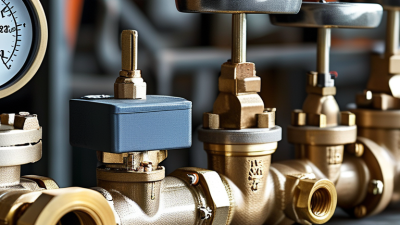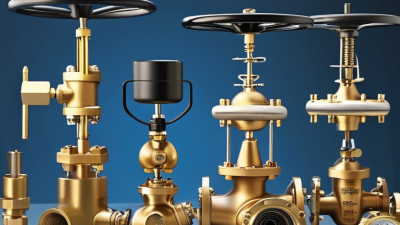

The 2026 market for pressure regulator valve equipment is becoming more demanding. Global buyers now compare stability, response speed, materials, maintenance access, and total operating cost. A valve that performs well on a clean laboratory line may struggle with moisture, pulsation, dust, or changing gas composition. That difference matters.
Béla G. Lipták, a widely cited process-control author, emphasizes a practical principle: “A regulator must hold the required downstream pressure as flow conditions change.” This idea remains central when evaluating direct-acting, pilot-operated, differential-pressure, vacuum, and electronically controlled designs. Each type solves a different problem. None is automatically the best choice.
This guide examines the leading pressure regulator valve types for international purchasing teams in 2026. It connects valve structure with real operating conditions, including inlet pressure variation, low-flow performance, temperature changes, and installation space. Buyers should check tested flow data, pressure ranges, seal compatibility, adjustment accuracy, and maintenance requirements. Certifications and supplier documentation also deserve careful review. They are not decorative paperwork.
A useful comparison begins with the process, not the catalog photograph. What happens during startup? How quickly must pressure recover? Can technicians replace the diaphragm without removing the body? Small details often decide long-term reliability. The answer may feel less certain than a simple product ranking. That is worth admitting. Supplier claims can be incomplete, and field performance may differ from controlled testing. Careful verification remains essential for safer, more dependable purchasing.
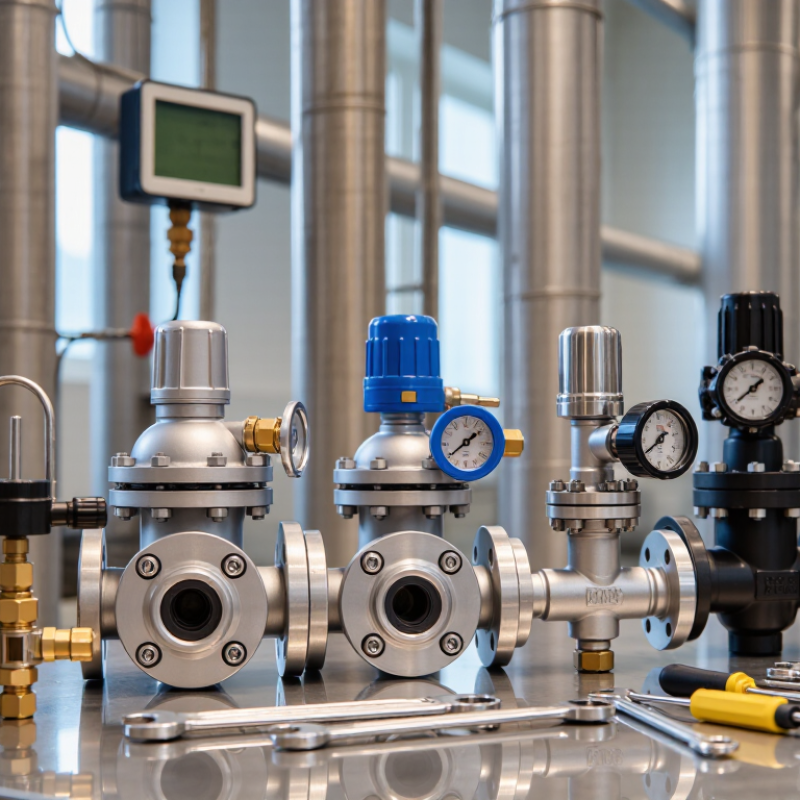
A pressure regulator valve reduces higher inlet pressure to a controlled outlet pressure. It protects pipes, instruments, and process equipment from unstable supply conditions. The valve senses downstream pressure through a diaphragm, piston, or sensing line. When outlet pressure falls, the valve opens further. When pressure rises, it closes toward its seat.
The operating principle is simple, but selection is not. A spring-loaded regulator suits many clean gas and liquid services, especially where flow changes are moderate. A pilot-operated regulator responds more precisely during high-flow demand. A back-pressure regulator works differently. It maintains pressure upstream instead of reducing pressure downstream. Electric or pneumatic control may improve adjustment, but it also adds installation and maintenance requirements.
In field checks, engineers compare normal flow, peak flow, inlet pressure, outlet pressure, temperature, and fluid compatibility. They also verify connection size and expected pressure drop. A larger valve is not always safer. Oversizing can cause poor control, hunting, or noisy operation at low flow. That mistake is common. The best pressure setting should remain below the protected equipment’s allowable limit, with suitable relief protection where required. Real systems are rarely perfect. Dirty fluid, trapped condensate, or an inaccurate gauge can change performance. Therefore, testing the regulator under actual operating conditions matters more than trusting a catalog value alone.
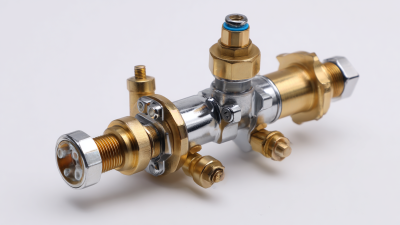
Pressure regulator valves control downstream pressure by balancing spring force against process pressure. A typical assembly includes a valve body, inlet, outlet, seat, plug, diaphragm, spring, and adjustment screw. The body contains the flow path. The seat and plug create the restriction. The diaphragm senses outlet pressure.
When downstream pressure falls, the spring pushes the diaphragm and opens the plug. More fluid then enters the outlet side. When pressure rises, the diaphragm moves upward and reduces the opening. That balance is delicate. A pilot-operated design adds a pilot valve for higher flow accuracy. A direct-acting design uses the diaphragm directly and usually offers simpler maintenance.
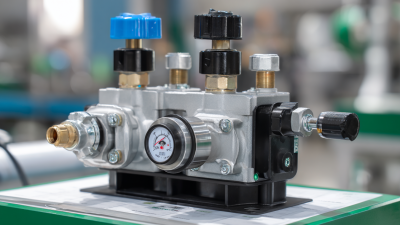
In field commissioning, technicians should check the pressure gauge, connection direction, and spring range carefully. An incorrectly installed regulator may appear functional while causing unstable pressure. Real systems are rarely ideal. Fluid temperature, contamination, pulsation, and changing demand can affect performance. A small filter before the inlet can protect the seat from rust or pipe debris. Inspect the diaphragm and sealing surfaces during scheduled service. No regulator behaves perfectly. Some pressure drop is unavoidable, especially near maximum capacity. Selecting only by pipe size is a common mistake; engineers should also compare flow rate, inlet pressure, outlet pressure, response speed, and material compatibility. Final settings should be verified under actual operating conditions, not only on a workbench.
Top Pressure Regulator Valve Types for Global Buyers
For 2026 applications, pressure regulator selection should follow the medium, inlet variation, and required outlet stability. Spring-loaded direct-acting regulators suit water lines, compressed air, and smaller process skids. They respond quickly, remain compact, and usually simplify maintenance. Pilot-operated regulators perform better on high-flow gas, steam, and industrial water systems. Their pilot circuit maintains tighter downstream pressure when demand changes sharply. Dome-loaded designs offer precise control for laboratory gases, semiconductor utilities, and other sensitive processes. They cost more, though.
MarketsandMarkets’ 2024 Industrial Valves report projects the market to grow from about USD 78.9 billion in 2023 to USD 100.3 billion by 2028. This growth reflects expanding process automation and infrastructure upgrades, not one universal valve preference. Fortune Business Insights also identifies increasing demand for pressure-control equipment across energy, manufacturing, and utility applications. The figures vary between reports. Buyers should treat forecasts as direction, not a guarantee.
Application details matter more than a polished catalogue page. For steam, verify temperature ratings, condensate handling, and downstream sensing distance. For gases, check the material compatibility, flow coefficient, lockup pressure, and failure response. Differential-pressure regulators work well where a stable pressure difference matters, such as filtration and heat-transfer systems. In field projects, sizing only for normal flow is a common mistake; startup and peak demand can expose it quickly. A regulator may look correctly sized and still hunt, chatter, or lose control. Reference points should include ISO 4126, EN 334, or applicable national requirements, with final verification by a qualified engineer.
| Regulator Valve Type | Operating Principle | Typical Pressure Range* | Flow Capacity | Pressure Accuracy | Best-Fit Applications | Main Advantages | Key Limitations | Common Construction Materials |
|---|---|---|---|---|---|---|---|---|
| Direct-Acting Spring-Loaded Regulator | A spring and diaphragm or piston directly sense downstream pressure and adjust the valve opening. | Typically up to about 40 bar outlet pressure, depending on design and size. | Low to medium | Moderate; droop increases as flow changes. | Compressed air, water, low-pressure gas, heating systems, and general utility services. | Simple design, fast installation, low initial cost, and minimal auxiliary equipment. | Less stable under large flow changes; limited capacity compared with pilot-operated designs. | Ductile iron, carbon steel, stainless steel, bronze, elastomers, and engineering plastics. |
| Pilot-Operated Pressure Regulator | A small pilot valve controls loading pressure on the main diaphragm or piston to regulate the primary valve. | Commonly used from approximately 10 to 100 bar outlet pressure, subject to the model. | High | High; maintains more consistent pressure across changing loads. | Natural gas transmission, district energy, industrial process gas, and large water networks. | High capacity, good accuracy, and reduced pressure droop during demand changes. | More complex commissioning, greater sensitivity to dirt, and higher maintenance requirements. | Carbon steel, stainless steel, cast iron, ductile iron, and corrosion-resistant trim. |
| Dome-Loaded Regulator | A controlled gas or fluid pressure in a dome applies force to the diaphragm or piston instead of a conventional spring. | Often selected for medium- to high-pressure systems; the exact range is design-specific. | Medium to high | Very high when the dome pressure is accurately controlled. | Semiconductor gas delivery, test systems, process skids, and high-purity applications. | Stable control, low hysteresis, and suitability for remote or electronic pressure control. | Requires a reliable dome-pressure source and more specialized control equipment. | Stainless steel, nickel alloys, PTFE, PEEK, and other high-purity wetted materials. |
| Differential Pressure Regulator | The valve responds to the pressure difference between two process points rather than to downstream pressure alone. | Common differential settings range from a few kilopascals to several bar. | Low to high, depending on valve size. | High for maintaining a defined pressure differential. | Filter protection, heat exchangers, cleanrooms, pump bypass systems, and process circulation loops. | Protects equipment and stabilizes flow when upstream or downstream pressure fluctuates. | Requires correctly positioned sensing lines and accurate differential-pressure measurement. | Brass, bronze, stainless steel, carbon steel, elastomers, and PTFE components. |
| Back-Pressure Regulator | The valve opens when upstream pressure rises above the set point, maintaining minimum inlet pressure. | From low-pressure utility service to high-pressure process duty, depending on construction. | Low to high | Moderate to high, depending on sensing and trim design. | Chemical processing, pump discharge protection, fuel systems, gas gathering, and pressure control loops. | Maintains upstream pressure and helps prevent pump starvation or unstable process conditions. | Does not replace a downstream pressure-reducing regulator; discharge piping must be properly sized. | Stainless steel, carbon steel, alloy steel, fluoropolymer-lined parts, and corrosion-resistant seals. |
| Vacuum Pressure Regulator | Controls pressure below atmospheric pressure by admitting gas or regulating vacuum flow at a set vacuum level. | Typically used from slight vacuum to deep vacuum, with limits determined by the sensing element. | Low to medium | Moderate to high for stable vacuum control. | Vacuum packaging, laboratory equipment, suction systems, vacuum furnaces, and environmental chambers. | Provides controlled negative pressure and protects vacuum equipment from excessive drawdown. | Sensitive to leakage, contamination, and incorrect vacuum-line sizing. | Stainless steel, aluminum, brass, elastomers, PTFE, and vacuum-compatible polymers. |
| Gas Cylinder Pressure Regulator | Reduces high cylinder pressure to a controlled outlet pressure using a diaphragm or piston mechanism. | Often reduces cylinder pressure in the range of roughly 150–300 bar to low or medium outlet pressure, depending on gas service. | Low to medium | Moderate to high; two-stage designs usually provide better outlet stability. | Welding, laboratory gas distribution, medical gas systems, calibration, and portable gas equipment. | Compact, widely available, and suitable for high-pressure cylinders. | Gas compatibility, connection standards, cylinder pressure, and relief protection must be verified before use. | Brass, stainless steel, aluminum, elastomer diaphragms, and gas-specific sealing materials. |
| Steam Pressure-Reducing Regulator | A spring-loaded or pilot-operated valve throttles steam flow to maintain a lower downstream pressure. | Commonly applied from low-pressure heating service to high-pressure industrial steam systems. | Medium to high | Moderate to high when correctly sized and protected from wet steam. | Boilers, process heaters, sterilizers, laundries, food processing, and district heating. | Maintains useful steam pressure while protecting downstream equipment and improving process consistency. | Requires condensate management, strainers, proper insulation, and protection against excessive velocity. | Carbon steel, stainless steel, alloy steel, hardened trim, graphite, and high-temperature gaskets. |
| Water Pressure-Reducing Valve | A diaphragm or piston senses downstream water pressure and modulates the valve to reduce inlet pressure. | Commonly used for municipal and building water service from low pressure to several tens of bar inlet pressure. | Medium to high | Moderate; varies with flow rate, cavitation risk, and valve design. | Building water supply, irrigation, fire-protection auxiliary systems, pump stations, and industrial utility water. | Protects piping and fixtures, reduces water hammer risk, and supports stable downstream service pressure. | Poor sizing can cause noise, cavitation, unstable pressure, or inadequate flow at peak demand. | Ductile iron, cast iron, bronze, stainless steel, coated steel, EPDM, and nitrile rubber. |
Selecting a pressure regulator valve starts with the medium, not the catalog photograph. Carbon steel suits many dry industrial gases, while stainless steel better resists moisture, chlorides, and aggressive process fluids. For low-temperature service, buyers may need stainless construction and seals rated for cryogenic exposure. A stainless body is not automatically safer.
Pressure ratings also require careful interpretation. A valve marked PN16 or Class 150 reflects defined pressure-temperature limits, not unlimited operating pressure. Temperature can reduce allowable pressure sharply. The ASME B16.34 standard and ISO 4126 safety guidance support proper pressure classification and overpressure protection. In field reviews, a recurring mistake is matching the regulator rating to normal pressure only. Startup surges and blocked outlets deserve attention.
Pressure is not everything.
The 2024 World Energy Investment report from the International Energy Agency forecasts more than 2 trillion dollars in global clean-energy investment. Its gas-market reporting also places 2023 global LNG trade near 404 billion cubic meters. These trends increase demand for regulators across hydrogen, LNG, and process-gas systems.
Direct-acting regulators offer simple, quick response for smaller flows.
Pilot-operated designs handle larger flow rates with tighter control.
Electronic regulators add remote monitoring, but they require reliable power, calibration, and cybersecurity controls.
IEC 60534 sizing practices help compare flow coefficients, noise, and response behavior. In practice, electronic control is not always the best upgrade. A simpler valve may remain more dependable in dusty, remote, or poorly maintained facilities.
Selecting a pressure regulator valve starts with the actual operating conditions, not the catalog title. Direct-acting valves suit compact systems with moderate flow changes and simple control needs. Pilot-operated valves provide tighter regulation for higher flow rates and more demanding pressure stability. Differential pressure regulators work well when equipment must maintain a controlled pressure gap. The choice depends on media, inlet pressure, outlet pressure, temperature, flow range, and response speed.
During sourcing, request a complete datasheet, material certificate, pressure test report, and calibration record. Confirm whether the body, seat, diaphragm, and seals match the working fluid. Stainless steel may resist corrosion, but it is not automatically suitable for every chemical or temperature. Ask suppliers for operating curves, not only maximum ratings. A valve rated for 100 bar may perform poorly near its minimum flow point. Small details matter.
Experienced buyers should also verify thread or flange standards, spare-part availability, packaging, and inspection procedures. A pre-shipment sample test can reveal unstable outlet pressure, leakage, or slow response. Factory audits add confidence, especially when purchasing large quantities. Still, paperwork can look complete while practical performance remains uncertain. I have seen specifications copied between projects without checking real load conditions. That mistake is easy to repeat. Compare two or three qualified suppliers, record each technical assumption, and make the final selection against measured system data.