How to Choose the Best Push Button Switches at the 2026 Canton Fair?
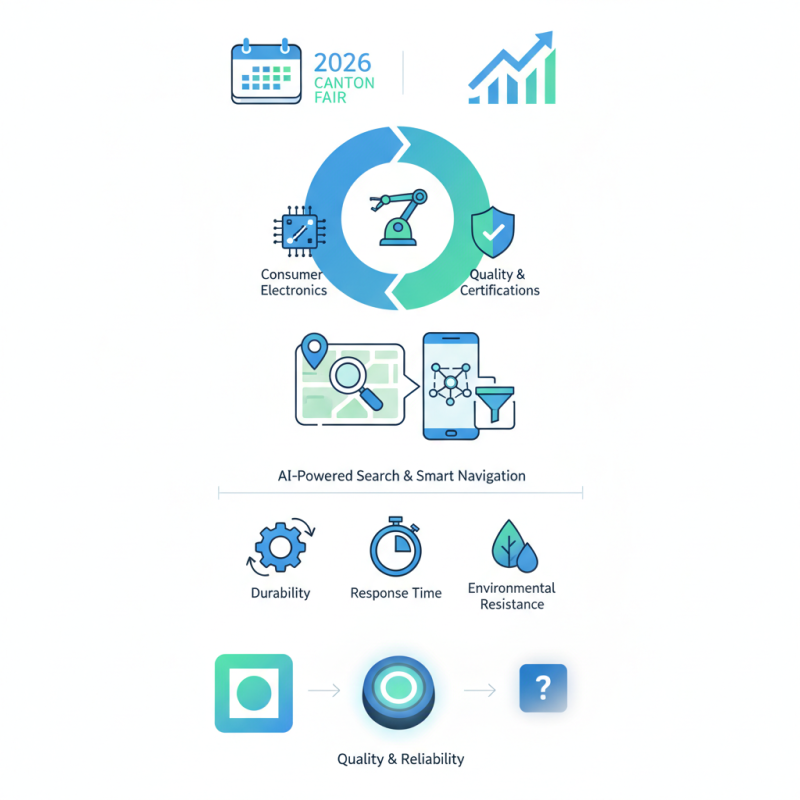
As the 2026 Canton Fair approaches, the demand for high-quality Push Button Switches is rising. Industry reports indicate that the global market for electronic switches is expected to reach $16 billion by 2027, driven by advancements in consumer electronics and automation. Manufacturers are increasingly focusing on customization and compliance, such as ISO and CE certifications.
Navigating the vast exhibition space of 1.55 million square meters can be daunting. The introduction of AI-powered search and smart navigation at the fair aids procurement professionals. This feature allows attendees to quickly filter suppliers that meet their specific technical requirements, improving efficiency.
Despite these advancements, selecting the right Push Button Switch remains challenging. Factors like durability, response time, and environmental resistance must be carefully considered. Buyers should reflect on their specific needs and not overlook potential suppliers that may seem less prominent. Quality and reliability should always be prioritized, ensuring optimal performance in various applications.
Understanding Push Button Switches: Types and Applications
Push button switches are essential components in many electronic devices. They come in various types, each suited for specific applications. Understanding the differences can help you make the right choice. Some push button switches are momentary, while others are maintained. Momentary switches are only active while pressed. Maintained switches remain on until pressed again. Knowing these basics is crucial when exploring options.
Various applications use push button switches. For instance, in household appliances, users often rely on them for on/off controls. In industrial settings, they handle machinery operation and safety functions. The tactile feedback of these switches can enhance user experience. However, too much pressure or a poor design may lead to malfunctions. Companies should be mindful of these factors when selecting switches.
One common mistake is not considering the environment where the switch will be used. For example, outdoor applications require weatherproof switches. Ignoring this could result in switches failing during rain or extreme temperatures. Also, the choice of materials matters. Low-quality materials can wear out quickly, leading to frequent replacements. Balancing durability with functionality is important.
Push Button Switches Types and Their Applications
Key Features to Consider When Selecting Push Button Switches
When selecting push button switches at the 2026 Canton Fair, certain features demand attention. The durability of the switch matters. Look for materials that can withstand frequent use. The average lifespan of a quality switch is around 100,000 cycles. This longevity ensures reliability in various applications.
The electrical ratings are crucial too. Many industries require switches to handle specific voltage and current levels. Reports suggest that 30% of push button failures stem from inadequate ratings. Always verify compatibility with your equipment.
**Tip:** Check the feel of the button. A good switch should have a tactile response. Users often prefer a satisfying click for better feedback.
Another significant aspect is environmental resistance. Many switches need to endure harsh conditions. Consider the ingress protection (IP) rating. A higher IP rating indicates better resistance to dust and moisture. Yet, with all these features, don’t overlook cost-effectiveness. An expensive switch may not be necessary for all applications.
**Tip:** Compare different suppliers at the Fair. Sometimes, better options appear when you explore. Be ready to ask hard questions about longevity and warranty. You might find answers that surprise you.
How to Choose the Best Push Button Switches at the 2026 Canton Fair? - Key Features to Consider When Selecting Push Button Switches
| Feature | Description | Importance |
| Material Quality | Look for durable materials that resist wear and corrosion. | High |
| Operating Force | The required force to activate the switch, affecting usability. | Medium |
| Size and Shape | Variety in designs to fit different applications and user interfaces. | High |
| Electrical Ratings | Ensure the switch can handle the voltage and current requirements. | High |
| Mounting Type | Different options like panel mount, PCB mount, etc., for installation ease. | Medium |
| Feedback Type | Visual or tactile feedback helps users understand the switch status. | High |
Evaluating Quality and Reliability of Push Button Switches
When evaluating push button switches, quality matters significantly. Look for materials that resist wear. Metal components often last longer than plastic ones. Check for certifications as well. These can indicate reliability. Not all switches are created equal. You might notice some with poor button feedback. This can lead to user frustration.
In addition, consider the switch's lifecycle. Many cheap options claim to be durable, but they can fail quickly. A good switch should offer a satisfying tactile feel. It's essential to test the button's actuation. Sometimes, a switch appears robust but has hidden flaws. Don’t overlook these details during your evaluation.
Lastly, think about the warranty offered. A longer warranty usually signals confidence in product quality. However, some companies may offer extended warranties while hiding defects. Inspect your options carefully. A wise choice can save you headaches later. Look beyond the surface. Quality often reveals itself through careful scrutiny and real-world testing.
Navigating the Canton Fair: Tips for Effective Purchasing
Navigating the Canton Fair can be overwhelming for first-time visitors. Over 25,000 exhibitors gather, showcasing a wide array of products. Among these, push button switches are vital components for various industries. Choosing the best among them requires a strategic approach.
Tip 1: Research ahead. Understand the specific types of push button switches relevant to your needs. For instance, consider their size, voltage ratings, and durability. Reports indicate that demand for high-quality switches has increased by 35% in recent years. Manufacturers prioritize reliability, which should reflect in your selection process.
Tip 2: Engage with suppliers directly. Ask detailed questions about product specifications and pricing. Many suppliers appreciate serious inquiries. Building relationships can lead to better deals. Remember, not every showpiece is up to standard. Some may lack quality control. Inspection is key.
Being prepared is essential. It’s hard to assess quality when products look similar. Take notes on what each supplier offers. Comparing options will help avoid hasty decisions, which can lead to regrettable purchases. The right push button switch can improve your final product, so choose wisely.
Networking and Building Relationships with Suppliers at the Fair
Attending the 2026 Canton Fair provides a unique opportunity to connect with suppliers. Building relationships is essential for successful business interactions. Personal connections can lead to better deals and trust. Engage suppliers through conversations about their products. Showing genuine interest often yields valuable insights.
While networking, be open-minded. Approach several booths even if they are not your primary interest. This serendipity can spark unexpected opportunities. Don’t hesitate to ask questions. A simple inquiry about product features could reveal new avenues for collaboration. Exchange contact information and follow up after the fair. This persistence can solidify new partnerships.
Tips for effective networking: focus on listening. You’ll learn a lot from suppliers if you give them space to share. Also, prepare your elevator pitch. A concise introduction to your business can attract interest quickly. Finally, note the details of conversations. This helps remember key points for future discussions, and it shows suppliers you care.