How to Choose Silica Aerogel Insulation for Your Needs?
Choosing the right insulation can be challenging. Silica Aerogel Insulation has gained popularity due to its unique properties. This advanced material offers superior thermal performance and low weight. Homeowners and builders face a variety of options, making the decision complex.
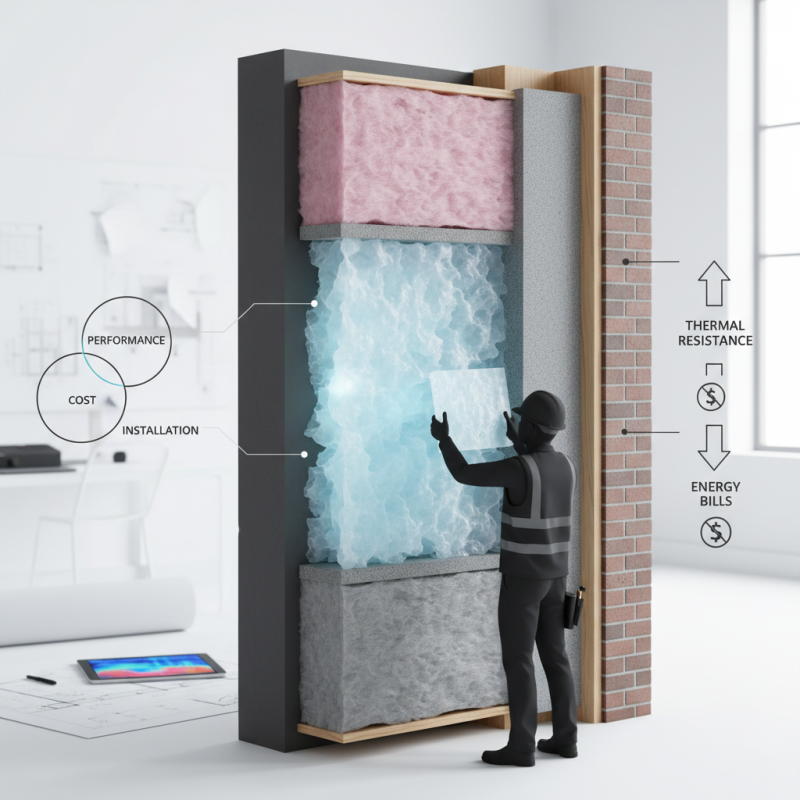
Understanding Silica Aerogel Insulation is essential. It’s crucial to consider factors like cost, performance, and installation. For example, this insulation can reduce energy bills. However, its initial cost may be higher than traditional materials. A careful evaluation is necessary to determine if the benefits outweigh the costs.
Installation is another key aspect. While Silica Aerogel Insulation is excellent for energy savings, improper installation can lead to issues. Professionals should be consulted to ensure optimal performance. Gaining insights into this material will help you make an informed choice.
Understanding Silica Aerogel and Its Properties
Silica aerogel is a unique material known for its remarkable insulating properties. It is made from silicon dioxide and has an extremely low density. This characteristic allows it to provide excellent thermal insulation while being lightweight. The structure consists of a network of tiny pores, which trap air and significantly reduce heat transfer.
When selecting silica aerogel insulation, it’s essential to consider its properties. The material has a high thermal resistance, making it effective in various applications. However, it's also important to recognize its limitations. For instance, aerogels can be more expensive than traditional insulation materials. They are fragile and need careful handling during installation. Reflecting on these aspects helps in making informed decisions.
Another crucial factor is moisture resistance. While silica aerogel is hydrophobic, prolonged exposure to moisture can affect its performance. It’s advisable to assess the environmental conditions before installation. Understanding the nuances of silica aerogel ensures that it meets your specific insulation needs effectively.
Assessing Thermal Performance and Efficiency Requirements
When choosing silica aerogel insulation, understanding thermal performance metrics is crucial. Aerogel materials exhibit a remarkable thermal conductivity as low as 0.013 W/m·K, making them an outstanding choice for energy-efficient applications. This low conductivity means less heat loss, which is essential for building sustainability. According to the U.S. Department of Energy, proper insulation can reduce heating and cooling costs by up to 30%. This figure underscores the tangible financial benefits of effective insulation.
In addition to thermal conductivity, consider the insulation's R-value, which indicates its resistance to heat flow. High-performing aerogel insulation often presents an R-value surpassing 10 per inch. This efficiency allows for thinner installations without sacrificing performance, which can be pivotal in space-constrained environments. However, it's important to remember that high efficiency can come at a higher initial cost. Balancing budget constraints with long-term energy savings may require detailed analysis and reflection.
Moisture management is another factor to weigh. Silica aerogels are hydrophobic, which means they resist moisture build-up. However, improper installation may lead to potential issues over time. It's necessary to consider local climate conditions and potential humidity impacts. This understanding will ensure that insulation not only meets thermal performance needs but also maintains reliability throughout its lifespan.
Evaluating Application Suitability for Silica Aerogel Insulation
Silica aerogel insulation is a remarkable material that offers unique properties for various applications. Evaluating its suitability requires understanding its thermal performance, mechanical strength, and moisture resistance. According to a 2022 industry report, silica aerogel can achieve thermal conductivities as low as 0.013 W/m·K. This makes it one of the most efficient insulation materials available. However, it’s essential to match these characteristics to your specific project needs for the best results.
When considering silica aerogel, assess the environment and application it will serve. For instance, in extreme temperatures or high humidity, the aerogel’s moisture absorption could affect its efficiency. A study revealed that proper installation can mitigate some drawbacks, but users must remain aware of potential performance changes. Visualizing the installation process can also expose hidden challenges that may arise.
Tip: Always conduct a thermal analysis prior to selecting insulation. This can prevent costly mistakes later on. Another tip is to consult with experienced installers. Their insights can uncover practical aspects of aerogel that technical documents may overlook. Ultimately, careful evaluation leads to better insulation choices tailored to your needs.
Comparing Cost Factors and Budget Constraints
When selecting silica aerogel insulation, cost factors are critical to consider. Silica aerogel is known for its excellent thermal resistance, but it comes with a price tag. According to industry reports, the average cost of silica aerogel insulation can range from $2 to $5 per square foot. This expense can pose challenges for budget constraints, especially in large-scale projects.
Therefore, evaluating installation costs is essential. Labor and material expenses can significantly increase the overall budget. A study by the U.S. Department of Energy highlights that aerogels can require specialized handling, potentially raising labor costs by 15% or more compared to traditional insulation materials. This can be a deterrent for some project managers.
On the other hand, consider the long-term savings. The energy efficiency of silica aerogel often results in lower heating and cooling costs. Over time, this can offset the initial investment. However, it’s essential to analyze your specific needs carefully. A smaller project may not benefit as much from silica aerogel compared to larger installations where efficiency is key.
Exploring Installation Methods and Maintenance Considerations
When considering the installation of silica aerogel insulation, it's essential to understand the methods available. Spraying, layering, and embedding are common techniques. According to a recent industry report, proper installation affects insulation performance by nearly 30%. This indicates the need for expertise during application. Aerogel's lightweight nature allows easier handling, but mishandling could lead to gaps, reducing effectiveness.
Regular maintenance is crucial for longevity. Silica aerogel is relatively stable, yet exposure to moisture can cause problems. In homes, humidity levels should be monitored. A study from the Thermal Insulation Society highlighted that increased moisture can diminish performance significantly over time. Regular inspections can be beneficial in identifying potential issues, like settling or damage.
Installation and maintenance are intertwined processes. Optimal insulation performance depends on correct initial application and ongoing care. While silica aerogel can provide significant energy savings, improper methods could negate these benefits. Engaging professionals with experience and keeping up with maintenance unique to aerogel ensures its advantages are fully realized in any space.
How to Choose Silica Aerogel Insulation for Your Needs? - Exploring Installation Methods and Maintenance Considerations
| Criteria | Description | Importance Level | Maintenance Frequency |
| Thermal Conductivity | Measure of thermal insulation efficiency. | High | Every 5 years |
| Moisture Resistance | Ability to resist water absorption. | Medium | Annually |
| Weight | Lightweight for ease of handling and installation. | Low | N/A |
| Installation Method | Different methods include spray application and panel installation. | High | N/A |
| Environmental Impact | Consideration of health and safety during installation. | Medium | As needed |