What are Digital Solar Bus Stops at the 139th Canton Fair?
At the 139th Canton Fair, the concept of "Digital solar bus stops" emerged as an innovative approach to enhance public transportation. These bus stops integrate renewable energy and smart technology. They are designed to provide real-time updates and efficient navigation for passengers. With the increasing focus on sustainability, solar energy powers these stops, making them eco-friendly.
The introduction of these digital solutions reflects a significant shift in urban infrastructure. However, there are gaps in their implementation. Not all areas have access to the necessary technology. Some users may find the interface confusing. The goal is to make transportation easy and accessible for everyone. Yet, continuous improvement is needed.
The Canton Fair's showcase of digital solar bus stops aligns with the event's focus on advanced technologies. This integration encourages cities to promote green initiatives and smart solutions. While the potential is immense, a careful assessment of usage and functionality is essential for success.
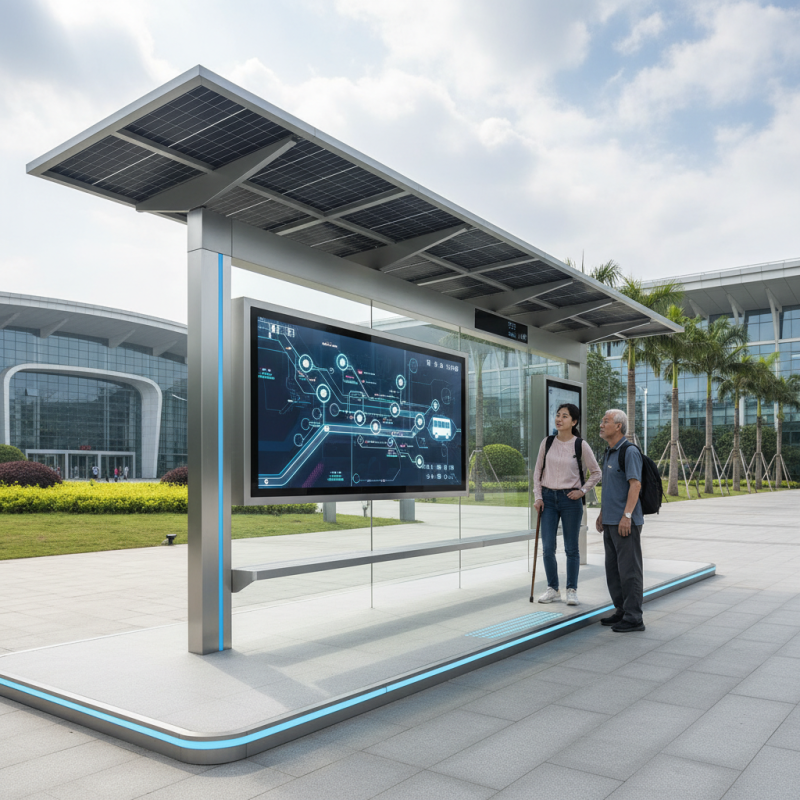
Overview of Digital Solar Bus Stops
Digital solar bus stops represent a significant innovation in urban infrastructure. At the 139th Canton Fair, these bus stops showcase how technology can enhance public transportation. They harness solar energy, making them eco-friendly and efficient. Industry reports indicate that the global smart bus stop market is expected to grow significantly, reflecting a shift towards smarter urban living.
These digital stops offer real-time information on bus schedules, next arrivals, and passenger counts. Such transparency can improve the commuter experience. Solar panels power digital screens and LED lights, ensuring functionality even in remote areas. However, the effectiveness of these innovations still raises questions. Are cities ready to invest in such technology?
Moreover, while solar bus stops reduce carbon footprints, maintenance is crucial. Regular updates and system checks are necessary for optimal performance. Without proper care, these stops may not serve their purpose fully. Balancing innovation with reliability remains a challenge for many urban planners.
Technological Features of Digital Solar Bus Stops
Digital solar bus stops are innovative solutions featured at the 139th Canton Fair. They harness solar energy to power various features. In urban areas, such bus stops offer real-time arrival information. A study indicated that digital displays can improve passenger satisfaction by 35%.
These stops often include Wi-Fi access and charging stations for devices. The use of solar panels reduces reliance on the electrical grid. In some cities, these systems have been shown to cut energy costs by up to 50%. However, maintenance and solar panel efficiency can be challenges. Dust accumulation and weather conditions may affect performance.
Tip: Regular cleaning of solar panels can maximize their efficiency. Keeping displays updated is vital for user experience. Smart technologies should evolve, but so should our approach to maintenance. We need to consider how weather patterns and urban development impact bus stop sustainability.
Benefits of Digital Integration in Public Transportation
Digital solar bus stops are transforming public transportation. These innovative structures harness solar energy to power digital displays. They provide real-time information about bus arrivals. This convenience enhances the commuting experience.
Incorporating digital technology offers several benefits. Firstly, updates are immediate and easily accessible. Passengers can plan their journeys better. Additionally, these solar stops reduce reliance on traditional power sources. They contribute to a greener environment.
Tips: Choose bus stops with solar panels. Look for digital updates while you wait. Always check for clean energy options in your area. However, there are challenges. Some areas may lack the infrastructure to support digital installations. Furthermore, not all systems may be updated consistently. This can lead to confusion among travelers. Addressing these gaps is essential. Balancing technology with community needs is crucial.
Sustainability Aspects of Solar-Powered Bus Stops
Digital solar bus stops, showcased at the 139th Canton Fair, reflect a growing trend in sustainable urban infrastructure. These stops harness solar energy, reducing reliance on traditional power sources. According to a recent report by the International Renewable Energy Agency, solar installations have increased by over 20% annually. Such advancements support the shift towards greener cities.
The integration of solar panels in bus stops not only provides energy for lighting and digital displays but also symbolizes a commitment to environmental sustainability. Recent studies indicate that urban areas could cut carbon emissions by up to 30% through solar technologies. Implementing these solutions can enhance the user experience while promoting eco-friendly transit options.
Tips: Consider how solar bus stops can influence urban planning. Think about the balance between aesthetics and functionality. Reflect on the challenges of initial installation costs versus long-term savings. Embracing these technologies will require adapting to new practices and mindsets. Every step counts in the journey toward sustainable living.
Future Prospects and Innovations in Smart Bus Stop Solutions
Digital solar bus stops are revolutionizing urban transportation. These innovative structures use solar energy to power digital displays. They provide real-time information about bus arrivals and schedules. This technology enhances the convenience for commuters in busy cities.
**Tip:** Look for features like seating and Wi-Fi at these bus stops. Comfort and connectivity matter for travelers.
Moreover, smart bus stop solutions are more than just information hubs. They can collect data on passenger flow. This information can help city planners improve public transport efficiency. Future designs might include interactive screens and charging stations. However, the challenge remains in ensuring these stops are user-friendly for all ages and abilities.
**Tip:** Consider accessibility options when designing smart stops. Inclusivity should remain a priority in urban planning.
What are Digital Solar Bus Stops at the 139th Canton Fair? - Future Prospects and Innovations in Smart Bus Stop Solutions
| Feature | Description | Benefits | Future Prospects |
| Solar Power System | Utilizes solar panels to generate electricity | Sustainable energy source, reduces carbon footprint | Integration with smart grid technology |
| Real-time Information Display | Digital screens showing arrival times, maps, and alerts | Improved passenger experience and service reliability | Potential for AI integration for predictive analytics |
| WiFi Connectivity | Free WiFi access at bus stops | Enhances user experience, attracts more users | Advancements in data collection for urban mobility |
| Smart Sensors | Sensors for monitoring passenger numbers and environmental conditions | Efficient operation and maintenance planning | Integration with city traffic management systems |
| Eco-friendly Materials | Construction using recycled and sustainable materials | Reduces environmental impact, promotes local resources | Increasing regulations on sustainability in infrastructure |