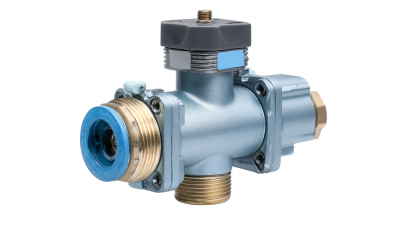
China Top Pressure Control Valve Manufacturers?
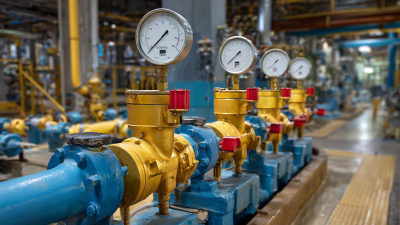
Choosing China’s top pressure control valve manufacturers requires more than comparing catalog prices. A credible supplier should demonstrate practical experience with steam, water, gas, and process-fluid applications. Its valves must respond steadily when pressure changes suddenly. That performance matters in a refinery line, a boiler room, or a clean manufacturing plant. Small details count. Think of polished valve bodies, legible nameplates, secure packing, and test records linked to each serial number.
This introduction examines manufacturers through engineering capability, product range, quality systems, and after-sales reliability. It considers materials such as stainless steel, carbon steel, and specialized alloys. It also reviews control accuracy, pressure ratings, connection standards, actuator options, and customization support. Certifications can provide useful evidence, but certificates alone prove little. Factory audits, sample testing, documented inspection procedures, and customer references offer stronger assurance. Experienced buyers may also request hydrostatic tests, leakage results, calibration records, and drawings before approval.
A dependable manufacturer should explain limitations clearly. That is often more valuable than promising perfect performance. No shortlist is permanently correct. Market conditions, production teams, and supplier capabilities can change. Some online claims remain difficult to verify. Therefore, the following discussion treats “top” as a practical evaluation rather than an official ranking. It focuses on manufacturers that show consistent workmanship, transparent communication, traceable quality, and responsive technical support. The best choice still depends on the application, operating medium, temperature, pressure range, maintenance plan, and required compliance. Careful comparison prevents an attractive quotation from becoming an expensive operational lesson.
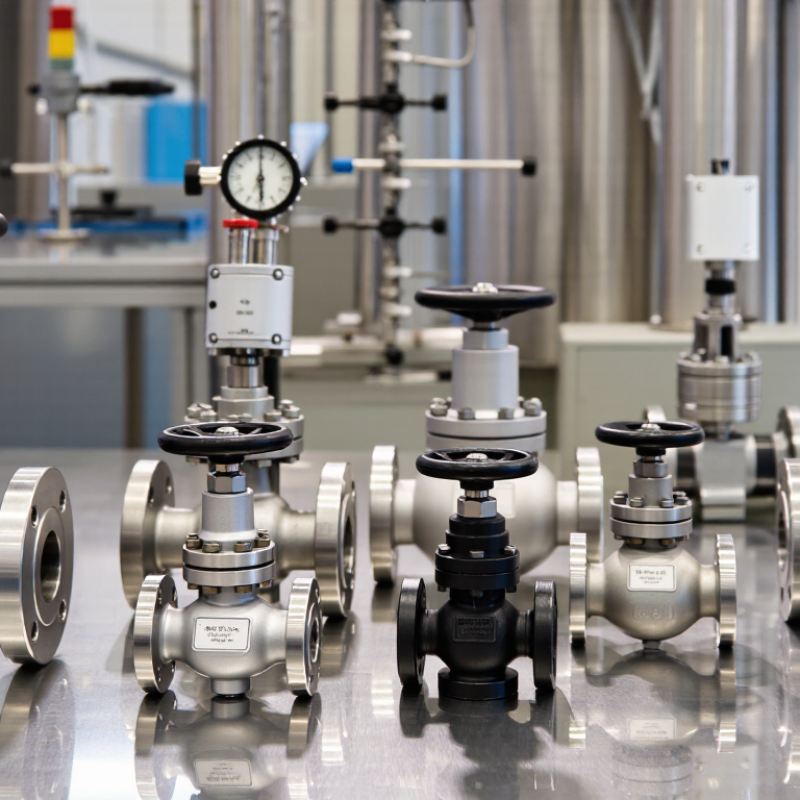
What Are Pressure Control Valves and How Do They Work?
What Are Pressure Control Valves and How Do They Work?
Pressure control valves regulate fluid or gas pressure by changing the flow passage. A sensing element measures downstream pressure. Then, a spring, diaphragm, piston, or pilot system moves the valve plug. If pressure rises, the opening narrows. If pressure falls, it opens wider. The process looks simple. Real systems are less tidy. Temperature changes, dirty media, and sudden demand can cause hunting, vibration, or slow response.
Valve selection begins with operating data, not catalog size. Engineers normally check inlet pressure, outlet pressure, flow rate, fluid temperature, viscosity, and required failure position. A valve that is too large may operate near its seat and control poorly. A small valve may create excessive pressure loss.
During commissioning, checking the actual pressure gauge location is easy to overlook. A misplaced sensor can make a well-built control loop appear defective.
Industry data also shows why this equipment matters.
MarketsandMarkets’ Industrial Valves Market report projects the global market to grow from about USD 77 billion in 2023 to nearly USD 97 billion by 2028, at roughly 4.8% annually. The U.S. Department of Energy reports that compressed-air leaks can waste 20–30% of compressor output. Poor pressure control can add to that waste. When evaluating manufacturers in China, buyers should examine material certificates, pressure-test records, calibration traceability, and compliance with relevant international standards. Documentation is part of performance.
Key Types of Pressure Control Valves Made in China
China Top Pressure Control Valve Manufacturers?
Key Types of Pressure Control Valves Made in China
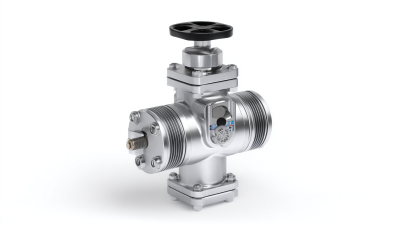
Chinese valve manufacturers produce several pressure control valve types for water, steam, gas, and industrial liquids. Pressure reducing valves lower upstream pressure and maintain a steadier downstream level. They are common near process equipment, building water systems, and compressed-air lines. Many designs use spring-loaded diaphragms, pilot systems, or piston structures.
Pressure relief valves protect piping when pressure rises beyond a set point. They open automatically and discharge excess fluid. Safety relief valves may combine pressure and temperature response, depending on the application. Back-pressure regulators work differently. They maintain pressure on the inlet side, which helps stabilize pumps, separators, and chemical processing lines. Differential pressure valves control the pressure gap between two points, often in heating or circulation systems.
Practical selection requires more than comparing connection size. Engineers should check flow rate, temperature, fluid compatibility, pressure range, seat leakage, and adjustment accuracy. Stainless steel, carbon steel, ductile iron, and engineered alloys serve different service conditions. Factory testing may include shell strength, sealing, operating cycles, and calibration checks. Requesting test records improves traceability.
A catalogue can look precise. Field conditions are less tidy. Incorrect sensing-line installation can cause unstable control, even with a well-made valve. I have found that maintenance access is often overlooked during early design. Clear specifications, sample inspection, and application-based testing remain safer than relying on price alone.
Leading Chinese Pressure Control Valve Manufacturers
China has become a major manufacturing base for pressure control valves used in water treatment, process equipment, energy systems, and industrial pipelines. Leading Chinese pressure control valve manufacturers usually combine precision machining with flexible production capacity. Their factories may produce valves from stainless steel, carbon steel, or specialized alloys. Material selection depends on pressure, temperature, fluid chemistry, and operating frequency.
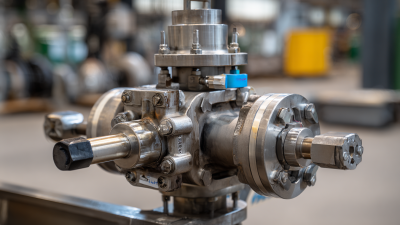
Experienced manufacturers control quality at several stages. Engineers review flow requirements before selecting valve size and control range. Production teams inspect castings, threads, sealing surfaces, and actuator connections. Each finished valve should undergo pressure testing, leakage checks, and functional adjustment. Buyers should request test records, material certificates, dimensional reports, and clear traceability. A reliable supplier also explains maintenance intervals and replacement-part availability.
Factory experience matters more than attractive catalog images. An audited workshop, trained technicians, and documented inspection procedures provide stronger evidence. Some manufacturers can support custom flange standards, signal types, coatings, and compact installation spaces. However, no supplier is perfect. Communication delays can occur, and technical drawings may need several revisions. Buyers should confirm tolerances, delivery conditions, calibration methods, and after-sales responsibilities in writing. Visiting a production line, even briefly, can reveal housekeeping, testing equipment, and whether quality control is genuinely practiced.
How to Compare Chinese Valve Manufacturers
Comparing Chinese pressure control valve manufacturers requires evidence beyond a low quotation.
Fortune Business Insights valued the global industrial valve market at about USD 77.8 billion in 2023. MarketsandMarkets projected the control valve market to grow from roughly USD 7.5 billion in 2023 to USD 10.2 billion by 2028. These figures show strong demand, but they do not prove supplier capability. Ask whether the factory produces pressure control valves regularly or only assembles them occasionally. Review machining photographs, calibration records, material certificates, and recent project references. A clean brochure is not enough.
Check compliance with relevant standards, such as IEC 60534, API 598, ASME B16.34, and ISO 9001. Confirm the exact edition and testing scope. Request shell, seat leakage, functional, and fail-position test records for the quoted model. Traceability should connect the heat number to the body, trim, and certificate. It should also survive an audit. Compare actuator sizing, pressure range, temperature limits, Cv data, response time, and spare-part availability. Ask for a sample inspection plan before production. Chinese factories can offer strong machining capacity and flexible customization, yet quality may vary between production lines. An inspection report can still miss process weaknesses. Include independent witness testing for critical service, and keep acceptance criteria measurable, not conversational. Price matters, but undocumented assumptions cost more.
Quality Standards, Certifications, and Export Capabilities
China Top Pressure Control Valve Manufacturers?
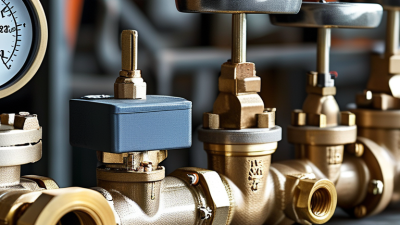
Quality standards, certifications, and export capability deserve close attention when selecting a pressure control valve manufacturer. Experienced suppliers should document material grades, pressure ratings, temperature limits, and inspection results. Look for controlled production under ISO 9001, supported by calibrated testing equipment and trained inspectors. Important checks may include hydrostatic testing, leakage testing, dimensional inspection, and actuator performance verification. Clear serial numbers and material certificates make each valve easier to trace.
Certifications must match the destination market and the valve’s actual service. Depending on the application, buyers may require API, ASME, PED, CE, or other recognized compliance evidence. A certificate alone proves little if its scope is unclear. Ask for the certificate number, issuing body, validity period, and covered product range. Export capability also includes strong packaging, accurate customs documents, reliable lead-time communication, and technical support across time zones. Real project experience helps, but suppliers should still admit limitations. No factory performs perfectly every time.
Tips: Request a sample inspection report before placing a large order. Confirm testing standards in writing. Check whether spare parts, manuals, and drawings use your required units. Review export packaging with photos, especially for long-distance sea transport. Small details matter. A missing document can delay installation.