Top 10 CFRP Roughing Cutters for Global Buyers
Choosing the right Cfrp Roughing Cutters can determine whether composite machining feels controlled or unexpectedly destructive. Carbon-fiber-reinforced polymer rewards precision, but punishes careless tool selection.
Dr. Scott Smith, a recognized machining researcher, has stated, “Machining is both a science and an art.” That idea fits CFRP roughing closely. Cutting edges must remove material quickly without encouraging delamination, fiber pull-out, or excessive heat. Tool geometry matters. So does the machine.
This guide introduces ten Cfrp Roughing Cutters for global buyers comparing performance, consistency, and purchasing risk. The selection considers diamond-coated surfaces, carbide grades, flute design, helix angles, chip evacuation, and tool life. It also examines practical details, including a cutter’s behavior during a deep pocket cut or a dry milling operation.
Real workshops rarely match catalog promises. Dust collection may be weak. Fixtures may vibrate. Operators may run conservative feeds. These conditions change results.
That is the difficult part.
A cutter performing well in an aerospace laboratory may disappoint in a smaller production shop. Therefore, buyers should evaluate supplier documentation, sample-testing support, dimensional consistency, coating quality, and replacement availability. Certifications help, but they do not replace cutting trials.
The ranking is useful, not absolute. It reflects common machining priorities rather than one universal answer. A lower-cost cutter may suit occasional work, while a premium tool could justify its price through longer service life and cleaner edges. Some recommendations may still require closer testing. That imperfection deserves attention before a global purchasing decision is made.
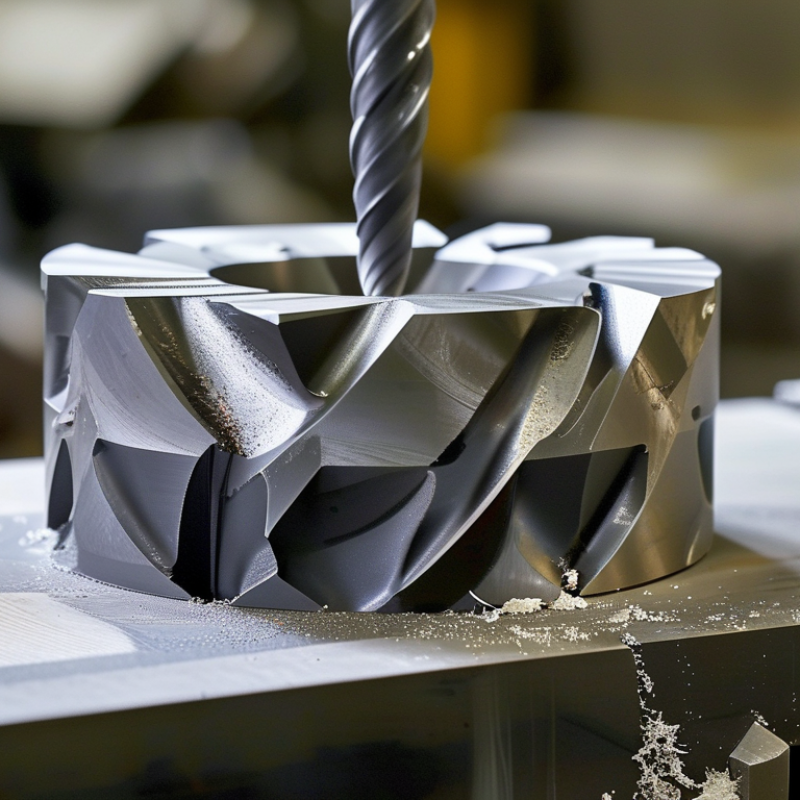
CFRP Roughing Cutters: Definition, Structure, and Core Functions
CFRP Roughing Cutters: Definition, Structure, and Core Functions
CFRP roughing cutters are rotary tools designed to remove carbon fiber reinforced polymer efficiently. They prepare oversized parts for accurate finishing operations. Unlike tools for aluminum or steel, they must manage abrasive fibers and heat-sensitive resin.
Their structure usually combines a carbide body, specialized cutting edges, and a geometry that limits delamination. Some designs use diamond-coated surfaces for longer wear resistance. Helical flutes, compression features, and open chip spaces may also improve cutting stability.
The core function is controlled material removal.
A suitable cutter reduces cutting time while protecting the laminate’s surface and edge quality. Its performance depends on feed rate, spindle speed, tool diameter, and the laminate orientation.
Technicians should monitor dust extraction closely. Fine carbon particles can contaminate machines and create workplace hazards. Dry machining may work for some applications, but process conditions must be verified through testing. One setting rarely suits every panel.
In practical trials, edge fraying often appears before serious tool damage. That detail matters. A worn cutter can still remove material, yet produce weak edges and poor dimensional accuracy.
Inspecting the tool under magnification helps reveal chipped teeth or coating loss. I would not trust catalog data alone. Actual results change with fiber volume, resin hardness, clamping pressure, and part thickness.
A small test cut, followed by surface inspection, is usually the more reliable path. Perfect results are not guaranteed. Careful adjustment remains part of professional CFRP machining.
Key Performance Criteria for Selecting CFRP Roughing Cutters
Top 10 CFRP Roughing Cutters for Global Buyers
Selecting a CFRP roughing cutter starts with chip control, not price. Carbon dust is abrasive and can damage exposed cutting edges quickly. The cutter should combine a rigid carbide body, sharp geometry, and effective dust extraction. A 2024 MarketsandMarkets report projects the carbon-fiber-reinforced polymer market to grow strongly through 2028, increasing pressure on manufacturers to shorten machining cycles. That growth makes stable roughing performance more valuable.
Check cutting-force behavior before comparing catalog specifications. Lower radial force can reduce delamination at laminate edges and protect thin panels. Helical flutes may improve evacuation, but aggressive flute counts can trap dust. Test them carefully. Tool life should be measured in machined meters, not only operating hours. Record spindle speed, feed per tooth, laminate thickness, and edge quality during trials. ISO 230-based machine testing can improve repeatability, although it does not fully describe composite damage.
A 2023 report from the International Energy Agency highlights aerospace and transport as major growth areas for advanced materials.
These applications demand predictable tolerances and clean fiber separation. Look for documented runout, coating suitability, and recommended parameters for abrasive laminates. Cutting temperature also matters. Excess heat can soften resin and leave a rough, glazed edge.
In practice, the “best” cutter may fail when dust collection is weak or the operator changes feed rates. Selection remains partly empirical. Test coupons are still necessary.
Top 10 CFRP Roughing Cutters for Global Buyers
Top 10 CFRP Roughing Cutters for Global Buyers
Global buyers need more than a sharp edge when choosing CFRP roughing cutters. The workpiece may include woven carbon layers, epoxy pockets, and drilled entry points. A practical top-ten shortlist includes diamond-coated end mills, PCD cutters, compression tools, burr-style routers, serrated roughers, and up-cut or down-cut geometries. Each design controls heat, dust, delamination, and tool wear differently. No cutter wins every laminate.
The 2024 Global Carbon Fiber Market report by CompositesWorld identifies aerospace and mobility as major composite demand areas. That growth increases pressure for stable, repeatable machining. Industry guidance from the International Organization for Standardization also stresses process control and worker exposure management during composite cutting. In field trials, operators often reduce feed rates after noticing fuzzy edges. That response is understandable, but not always efficient. Excessive caution can create heat and shorten tool life. A balanced trial should record spindle speed, feed per tooth, axial depth, edge quality, and dust levels.
Tips: Start with a small test panel. Inspect the first 100 millimeters under bright side lighting. Check fiber pull-out, resin smearing, and edge temperature. Use strong extraction and sealed collection systems. Cutter life varies widely. Some suppliers claim impressive cycle counts, yet real results depend on laminate thickness, clamping, and operator technique. That detail deserves more attention. Even the tenth-ranked option may outperform the first in a poorly supported panel.
Top 10 CFRP Roughing Cutter Configurations for Global Buyers
Comparison of common, brand-neutral cutter configurations used for roughing carbon-fiber-reinforced polymer (CFRP). The chart shows typical nominal cutter diameters used in industrial applications.
Values represent typical market-standard dimensions for CFRP roughing tools. Actual selection depends on laminate construction, workpiece thickness, machine rigidity, spindle speed, chip evacuation, and tool-coating requirements.
Comparing Cutter Materials, Geometries, and Machining Results
Selecting the top 10 CFRP roughing cutters requires more than comparing catalog dimensions. Cutter material strongly affects edge life, heat control, and surface damage. Solid carbide cutters offer balanced cost and toughness for short production runs. Diamond-coated tools usually resist abrasive carbon fibers longer. PCD edges can deliver excellent wear resistance, but they need stable machines and careful handling.
Geometry changes the machining result immediately. A higher helix can evacuate chips efficiently, yet it may pull fibers from thin laminates. Downcut designs often reduce edge lift on the entry surface. Upcut designs can improve chip removal near deep pockets. Compression geometries combine both effects and may limit delamination when the laminate has exposed skins. Tooth count also matters. Fewer teeth create more flute space, while more teeth can improve feed efficiency.
Practical comparisons should record spindle speed, feed per tooth, axial depth, and tool wear. In a CFRP panel test, a clean entry edge may still hide fraying inside the pocket. Look closely. Dust extraction is essential because dry carbon debris can quickly cover the work area and contaminate equipment. A tool lasting twice as long is not automatically better if it produces rough walls or requires slower feeds. One limitation deserves attention: laboratory results rarely match every shop floor. Clamping pressure, laminate direction, and resin content can change the ranking. Small trial cuts remain necessary.
Global Purchasing Factors: Compatibility, Cost, and Supplier Support
For global buyers, CFRP roughing cutters should be matched to the workpiece, not chosen by price alone. Fiber orientation, laminate thickness, resin content, and machine rigidity affect cutting performance. A 2024 MarketsandMarkets report estimates the carbon-fiber market could grow from about USD 4.3 billion in 2023 to USD 7.6 billion by 2028. That growth increases demand for reliable roughing tools, but it also creates more inconsistent product claims.
Compatibility starts with the spindle. Check tool diameter, holder type, maximum speed, flute geometry, and coolant policy before ordering. Dry machining is common for CFRP, while dust extraction remains essential.
The U.S. National Institute for Occupational Safety and Health identifies respirable composite dust as an important workplace exposure concern. A cutter that runs well in aluminum may perform poorly on a brittle laminate. Small trials matter. I would not trust a catalog rating alone.
Cost should include tool life, cycle time, scrap, and replacement delays. A cheaper cutter can become expensive after edge damage appears early. Supplier support is equally practical. Request cutting parameters, workpiece trials, inspection records, and clear replacement terms.
Technical advice should cover delamination, fuzzing, heat, and excessive dust. Support quality varies. Buyers should record test results and challenge vague promises, even when the quotation looks attractive. That discipline is not perfect, but it reduces avoidable purchasing mistakes.